
In an increasingly competitive campground landscape, strong demand alone does not guarantee strong results. Successful revenue management for campgrounds is about making intentional decisions that balance occupancy, pricing, and operational reality. Campground owners who apply structured revenue strategies consistently outperform those who rely on static rates or instinct.
Below are 4 proven tactics within campground revenue management that drive stronger bookings while protecting long-term profitability.
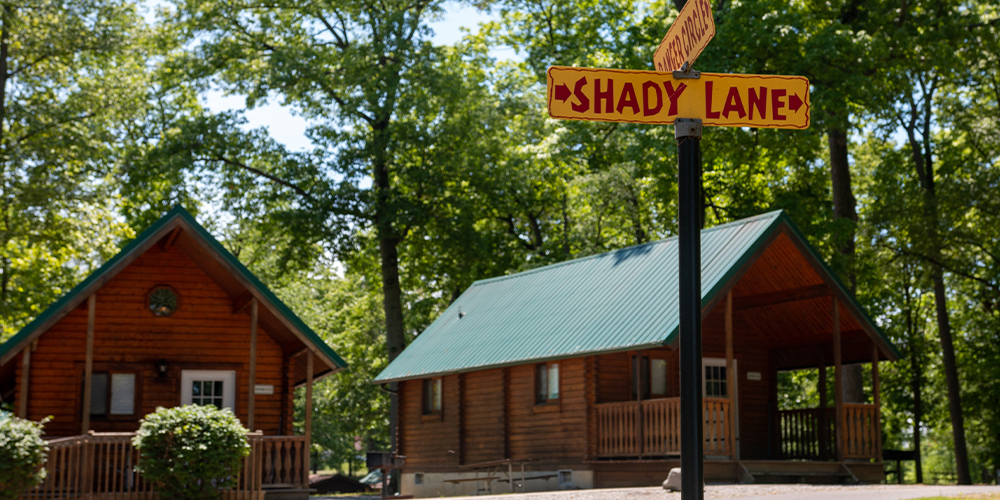
1. Dynamic Pricing Aligned to Demand
Static seasonal pricing often leaves money on the table during peak demand and fails to stimulate bookings during softer periods. Dynamic pricing solves this by adjusting rates based on real-time demand signals such as booking pace, day of week, seasonality, and local events.
Peak weekends, holidays, and high-demand summer dates typically support higher rates without sacrificing occupancy. Meanwhile, targeted pricing adjustments during midweek or shoulder seasons help capture incremental demand. When implemented correctly, dynamic pricing increases average daily rate while maintaining healthy occupancy — without relying on heavy discounting. Paired with disciplined campground booking and occupancy management, it also reduces overreliance on last-minute promotions.

2. Strategic Length-of-Stay Controls
Length-of-stay (LOS) rules are one of the most effective tools for shaping demand and are used by the top resort operators in the United States. Requiring minimum stays during peak periods reduces excessive turnover, improves booking efficiency, and increases total revenue per reservation. For example, a three-night minimum over a holiday weekend prevents single-night bookings from blocking longer, higher-value stays.
During slower periods, relaxing LOS requirements allows more flexibility and helps fill gaps. LOS rules should be reviewed regularly and adjusted based on booking behavior rather than remaining static throughout the year.

3. Optimizing for Revenue, Not Just Occupancy
High occupancy is often viewed as the ultimate success metric, but it can be misleading. A park operating at near-full capacity — especially with short stays or discounted rates — can experience increased operational strain without a proportional revenue benefit. Higher occupancy typically leads to more frequent turnovers, increased guest interactions, heavier use of amenities, and greater wear on infrastructure. While these impacts may not appear directly in revenue reports, they influence staffing needs, service quality, and guest satisfaction.
Effective campground revenue management strategies focus on revenue per available site, rather than filling every site at any cost. Slightly lower occupancy at higher rates or longer stays often produces stronger financial results while reducing operational pressure and improving the guest experience. Owners who pair these decisions with hospitality financial management services can more clearly see the margin impact behind “full” nights versus “profitable” nights.
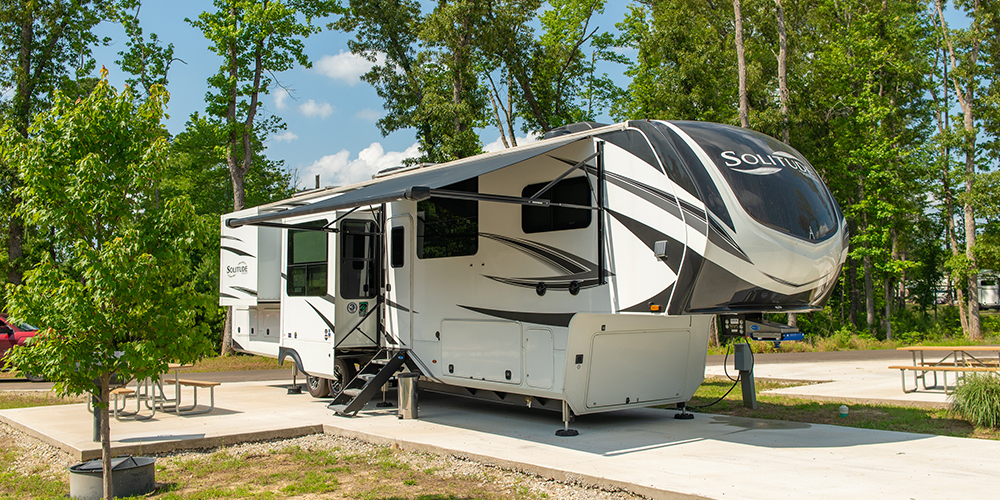
4. Rate Stratification by Site and Unit Type
One of the most overlooked revenue opportunities in campgrounds is insufficient rate differentiation between site and unit types. Too often, pricing does not fully reflect the true value differences across the property. Cabins with premium layouts, upgraded finishes, or better views frequently warrant larger rate gaps than owners expect.
Similarly, full hook-up RV sites typically support meaningfully higher rates than water-and-electric sites, yet many parks underprice this distinction. High-demand locations — waterfront sites, pull-throughs, oversized pads, or sites near amenities — often justify premium pricing compared to lower-value sections. By clearly segmenting inventory and pricing each category based on demand and perceived value, owners can unlock significant incremental revenue without increasing overall occupancy. Proper rate stratification also helps guests self-select into the experience that best fits their budget and expectations.
Revenue management isn’t about maximizing a single metric — it’s about balancing price, demand, and operational reality. Many of the best hospitality groups in the United States treat revenue strategy as a system, using accurate reporting and disciplined execution to connect dynamic pricing, LOS controls, revenue optimization, and rate stratification to cash flow, margin, and long-term asset performance. In a market where demand patterns continue to shift, disciplined campground revenue management remains one of the most powerful tools campground owners can use to drive sustainable, intentional growth.