
Outdoor hospitality continues to evolve as guest expectations, technology, and travel habits shift. In 2026, campgrounds, RV resorts, and outdoor destinations are being shaped by a mix of innovation, lifestyle changes, and a renewed appreciation for nature-based travel. For campground owners in the United States and outdoor hospitality management teams alike, these forces are redefining what guests expect and how operators plan for long-term success.
Experience Over Accommodations
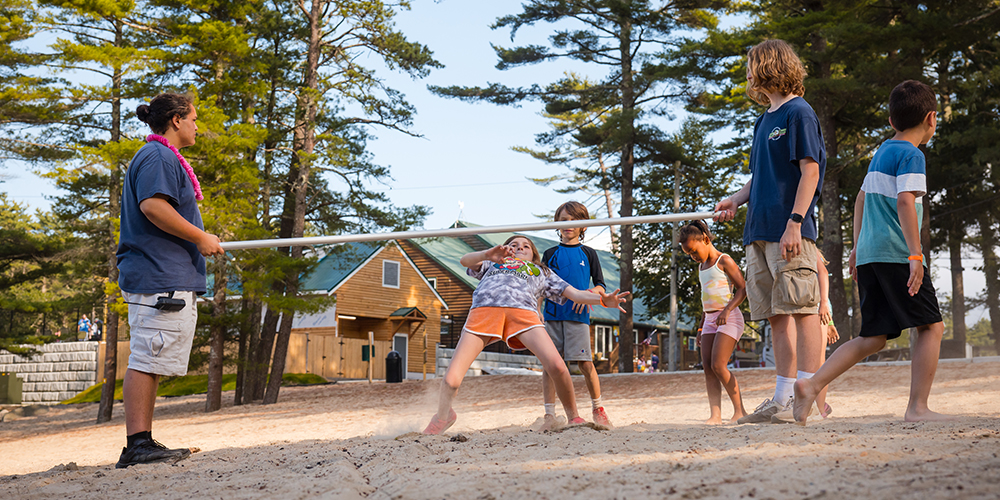
As of 2026, travelers are prioritizing memorable experiences over traditional lodging features. Guests want activities that feel intentional, immersive, and shareable. From themed weekends and seasonal events to hands-on programming for families and adults alike, outdoor hospitality is becoming more experience driven. This shift is pushing the best campground owners and top campground operators to invest in curated moments rather than just places to sleep, helping their properties stand out in an increasingly competitive market.

Technology That Enhances Nature
Technology will continue to play a growing role, but the focus is shifting toward convenience rather than distraction. Mobile booking, contactless check-in, digital maps, and activity schedules support campground booking and occupancy management while still preserving the outdoor feel guests value. Now that it’s 2026, successful parks will use technology behind the scenes to streamline campground management services, improve communication, and support smarter campground occupancy management without pulling guests away from nature.
Longer Stays and Flexible Travel Patterns
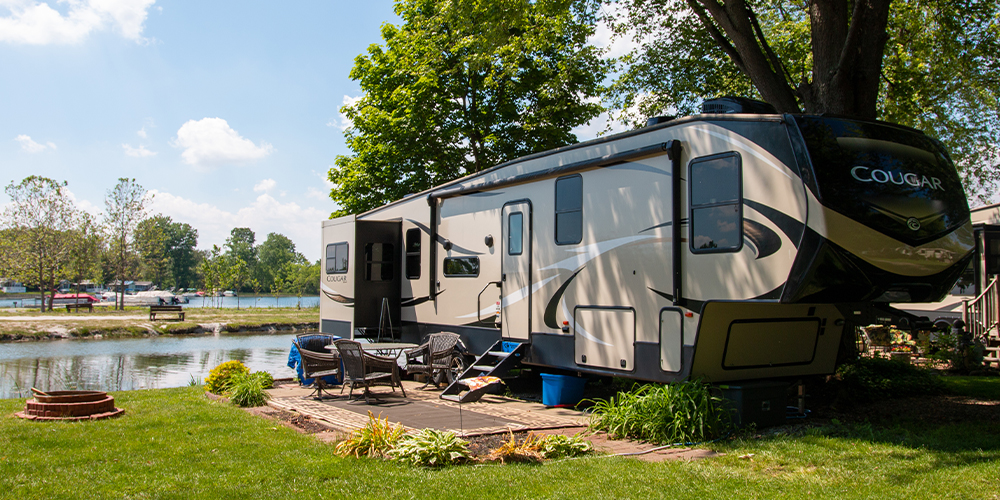
Remote work and flexible schedules are reshaping how long guests stay and when they travel. Instead of short weekend visits, more guests are choosing extended stays, midweek trips, and seasonal camping options. This trend supports stronger guest relationships and more predictable revenue streams, making campground revenue management and campground financial management increasingly important for operators planning long-term growth.

Family-Centered and Multi-Generational Travel
Outdoor hospitality remains a top choice for families, and multi-generational travel will continue to grow. Parents, grandparents, and kids are looking for destinations that offer something for everyone. Safe environments, shared activities, and spaces that encourage connection across age groups will remain a key differentiator, especially for outdoor hospitality management services and resort management services focused on family-oriented experiences.
Sustainability as a Core Expectation
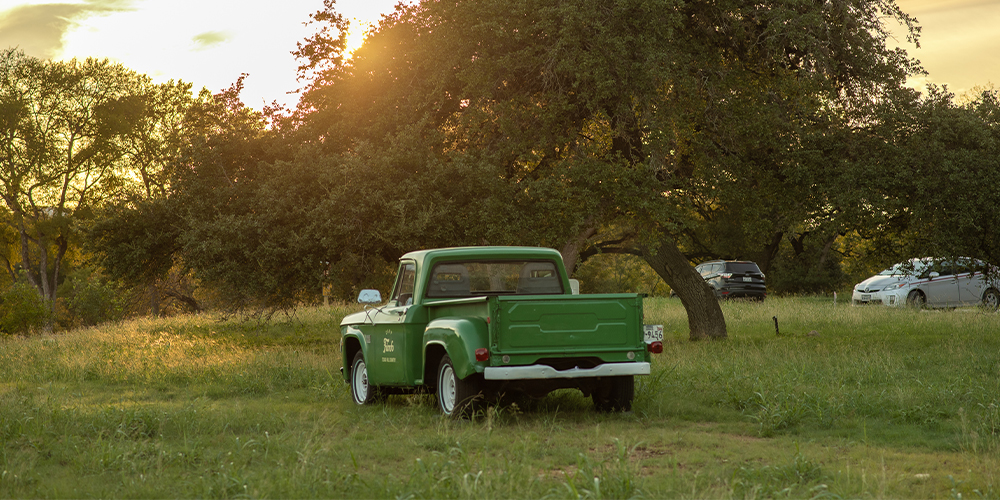
Sustainability is no longer a bonus. It is becoming a baseline expectation. Guests are paying closer attention to how properties manage land, resources, and local ecosystems. In 2026, campground developers in the United States and resort developers alike will need to prioritize responsible development and transparent practices, as eco-conscious operations increasingly influence booking decisions and brand trust.
Community and Sense of Belonging
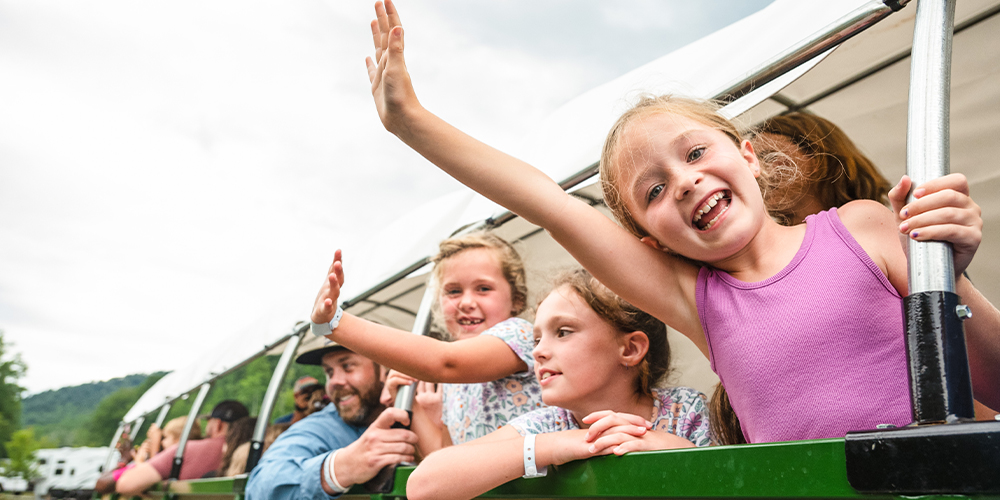
Guests increasingly want more than a place to visit. They want a place to belong. Community-focused programming, repeat-guest incentives, and social spaces that encourage interaction help turn first-time visitors into long-term fans. This sense of belonging is becoming a core focus for campground branding and campground marketing strategies aimed at building loyalty rather than one-time stays.
The future of outdoor hospitality is being shaped by guests who value flexibility, authenticity, and meaningful experiences. With 2026 underway, parks that listen closely to evolving traveler preferences and adapt with intention will be best positioned to thrive. From campground expansion opportunities to third party campground management services, the industry’s growth will come from thoughtful strategy, strong leadership, and a balanced blend of innovation with the timeless appeal of the outdoors.