
Running a successful campground requires more than offering great campsites and amenities. From managing daily operations to maintaining guest satisfaction and driving revenue, campground ownership involves balancing several responsibilities. The best campground owners in the United States understand that long-term success comes from strategic planning, consistent operations, and a willingness to adapt. Whether you own a small family campground or a large RV resort, developing these seven traits can help strengthen your business and position it for continued growth.
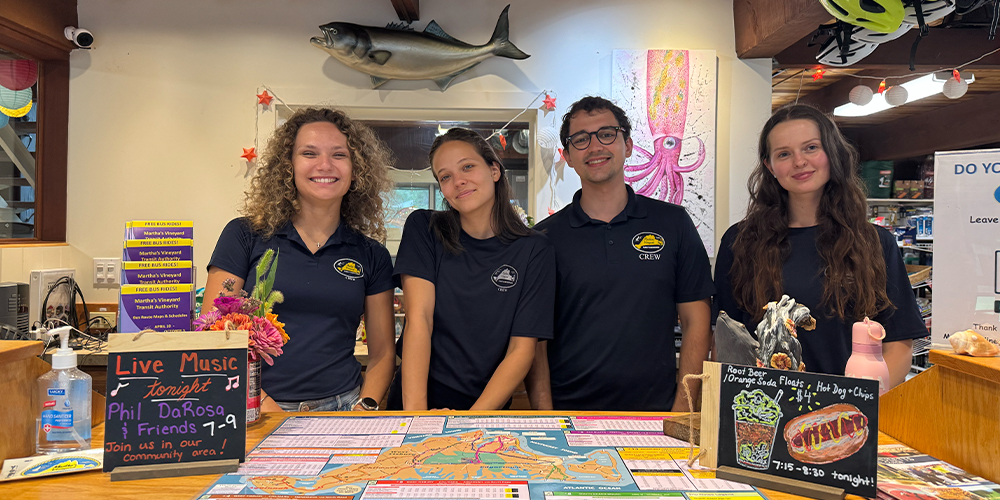
1. They Prioritize the Guest Experience
Successful campground owners recognize that guest satisfaction is essential to building a strong reputation and encouraging repeat visits. While amenities and location may initially attract visitors, the overall experience often determines whether guests return or recommend the property to others.
The best campground owners in the United States focus on maintaining clean facilities, providing friendly customer service, and creating an environment where guests feel welcome. They also pay attention to online reviews, guest feedback, and recurring complaints to identify areas for improvement.
Rather than viewing guest satisfaction as a responsibility limited to front desk employees, successful owners make it a priority throughout the entire operation. From the reservation process to checkout, every interaction contributes to the campground’s reputation and long-term performance.

2. They Make Decisions Based on Financial Performance
Understanding financial performance is one of the most important responsibilities of campground ownership. Successful owners look beyond total revenue and evaluate the expenses, occupancy trends, and operating costs that influence profitability.
Effective campground financial management involves regularly reviewing financial statements, monitoring expenses, and understanding which parts of the business generate the strongest returns. Owners who track these metrics can make more informed decisions about pricing, staffing, maintenance, and future investments.
They also recognize the importance of campground revenue management in maximizing the value of available accommodations. By evaluating seasonal demand, booking patterns, and pricing strategies, owners can identify opportunities to increase revenue while maintaining a competitive position in the market.
Instead of relying on assumptions, successful campground owners use financial data to guide decisions and support sustainable growth.
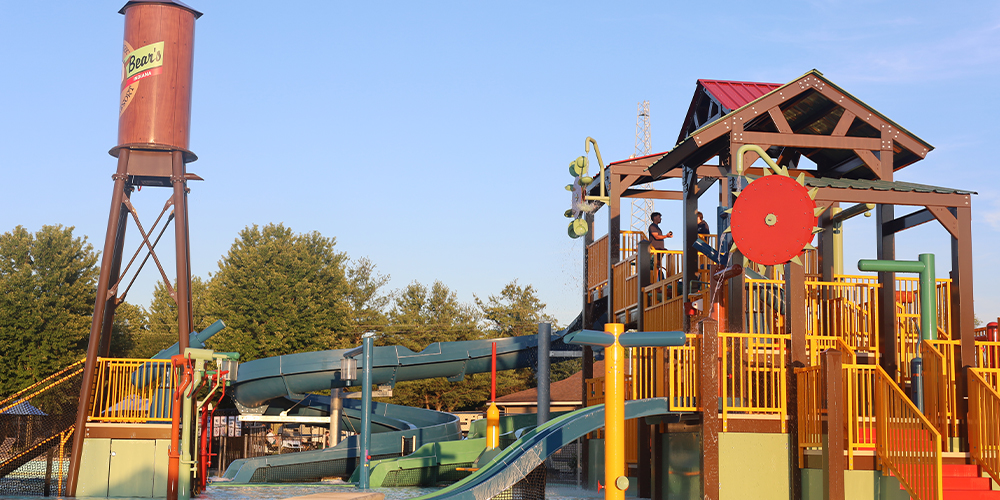
3. They Invest in Their Property
The condition of a campground directly influences the guest experience, operating efficiency, and long-term property value. Successful owners understand that maintaining and improving their facilities is an ongoing responsibility rather than a one-time investment.
They prioritize preventative maintenance, regularly inspect infrastructure, and address issues before they become larger problems. Effective campground facility management helps keep essential systems, including water, sewer, electrical hookups, roads, and recreational amenities, functioning properly.
Beyond maintenance, successful RV park owners in the United States continually evaluate potential campground expansion opportunities. Adding new accommodations, upgrading amenities, or improving existing facilities can help attract different guest segments and create additional revenue streams.
However, the strongest owners approach these investments strategically. They consider guest demand, financial feasibility, and potential returns before committing to major projects.

4. They Understand the Importance of Marketing
Even a well-maintained campground needs an effective strategy to attract new guests and encourage repeat bookings. Successful campground owners recognize that visibility, reputation, and consistent communication are essential in a competitive outdoor hospitality market.
Strong campground marketing begins with understanding the property’s target audience and identifying what makes the destination unique. Whether a campground appeals to families, seasonal campers, outdoor enthusiasts, or luxury travelers, its messaging should reflect the experiences guests can expect.
The most effective campground marketing strategies often combine search engine optimization, social media, email campaigns, online advertising, and reputation management. These efforts help properties reach potential guests throughout the booking process while maintaining relationships with previous visitors.
Successful owners also understand the value of consistent campground branding. A recognizable identity, professional website, and clear messaging can help differentiate a property from competitors and build trust with prospective guests.

5. They Build Strong Teams and Leadership
A campground’s success depends heavily on the people responsible for its daily operations. From front desk employees and maintenance teams to activity coordinators and general managers, every team member contributes to the guest experience.
Successful campground owners understand how to hire good managers who can lead employees, solve problems, and maintain operational standards. They look for individuals who demonstrate strong communication skills, accountability, and an understanding of hospitality.
Effective leadership also involves investing in employee training, establishing clear expectations, and creating an environment where staff members feel supported. Strong hospitality labor management can help reduce turnover, improve service consistency, and maintain productivity during busy seasons.
Rather than attempting to oversee every operational detail themselves, successful owners empower qualified managers to make decisions and take ownership of their responsibilities. This allows owners to focus on larger business priorities while maintaining confidence in day-to-day operations.
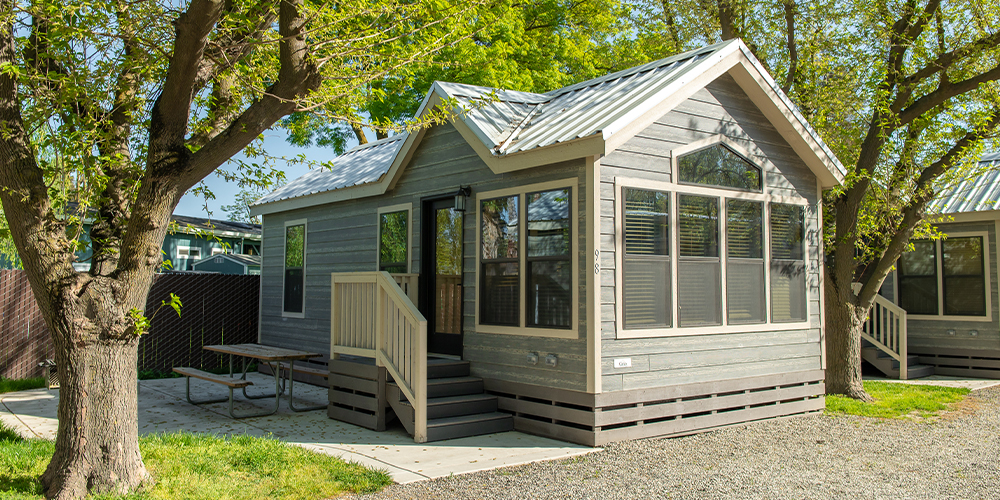
6. They Adapt to Changing Guest Expectations
The outdoor hospitality industry continues to evolve as guest preferences, travel habits, and technology change. Successful campground owners in the United States recognize that remaining competitive requires flexibility and a willingness to evaluate new opportunities.
For example, guests increasingly expect convenient online reservations, clear communication, and accurate information about available accommodations and amenities. Effective campground booking and occupancy management helps owners respond to these expectations while maintaining visibility into reservation trends.
Successful owners also monitor changes in demand for different accommodation types, recreational experiences, and travel styles. Whether that means introducing new lodging options, improving Wi-Fi connectivity, or adjusting seasonal offerings, they make changes based on guest needs and property performance.
However, adapting does not mean following every industry trend. The strongest owners evaluate whether new investments align with their target audience, operational capabilities, and long-term business goals.

7. They Know When to Seek Professional Support
One of the most valuable traits of successful campground owners in the United States is recognizing when outside expertise can strengthen their business. Managing a campground requires knowledge of hospitality operations, financial planning, marketing, staffing, maintenance, and revenue optimization. As properties grow, handling every responsibility independently can become increasingly challenging.
The best campground owners in the United States understand that seeking professional support is not a sign of weakness. Instead, it can be a strategic decision that allows them to focus on ownership goals while experienced professionals oversee specialized aspects of the business.
Working with outdoor hospitality consultants or professional management teams can provide access to industry knowledge, established operating systems, and resources that may be difficult to develop independently.
For owners looking to reduce their involvement in daily operations, third party campground management offers an alternative to managing every department internally. Professional campground management services can support staffing, guest services, marketing, revenue optimization, maintenance, and financial reporting.
By recognizing when additional expertise is needed, campground owners can create a stronger operational foundation and position their properties for long-term success.
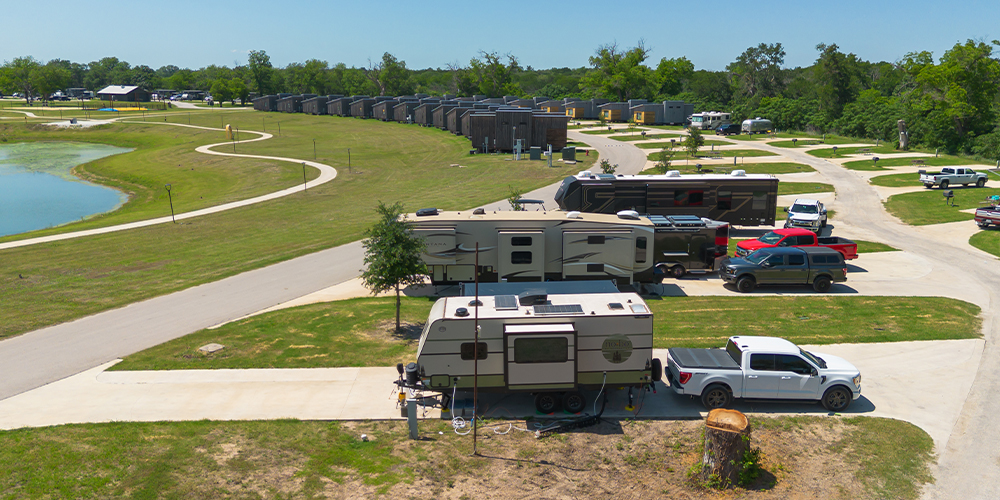
Build a Stronger Future for Your Campground
The most successful campground owners share a commitment to guest satisfaction, financial performance, property improvements, effective marketing, and strong leadership. While every property has unique challenges and opportunities, developing these 7 traits can help owners make informed decisions and build more sustainable businesses.
At Northgate Resorts, we understand what it takes to operate successful campgrounds and RV resorts. Our outdoor hospitality management services help property owners strengthen operations, improve guest experiences, and identify opportunities for long-term growth.
Whether you’re looking to improve your campground’s performance or explore professional management solutions, contact Northgate Resorts today to learn how our team can help you maximize your property’s potential.