
Campground development is entering a defining phase in 2026. Demand for outdoor travel remains strong, but the market has matured. Guests now expect more than a place to park an RV or pitch a tent. They are looking for intentional design, reliable infrastructure, and experiences that feel thoughtfully planned. For best campground owners, this shift presents an opportunity to rethink campground development as a long-term hospitality investment rather than a simple land use play.
Key Development Trends Shaping the Industry
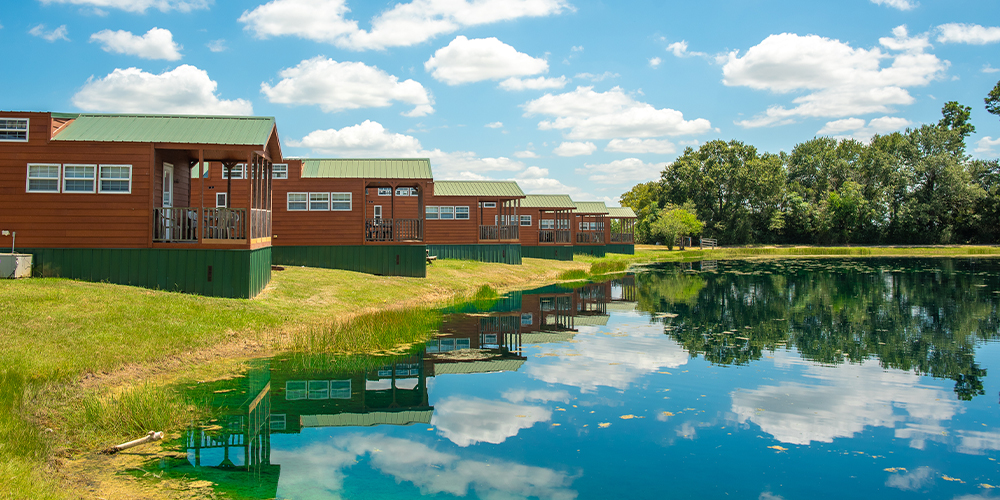
One of the most influential trends shaping campground development in 2026 is the move toward experience-driven design. Instead of maximizing site count alone, new projects are prioritizing walkability, shared spaces, and a cohesive look and feel that improves how guests experience the property. Mixed accommodation offerings such as RV sites, cabins, and glamping units are becoming the norm, a strategy increasingly used by top campground developers to attract a wider range of travelers while balancing seasonality and revenue.
The Rise of Resort-Style Amenities
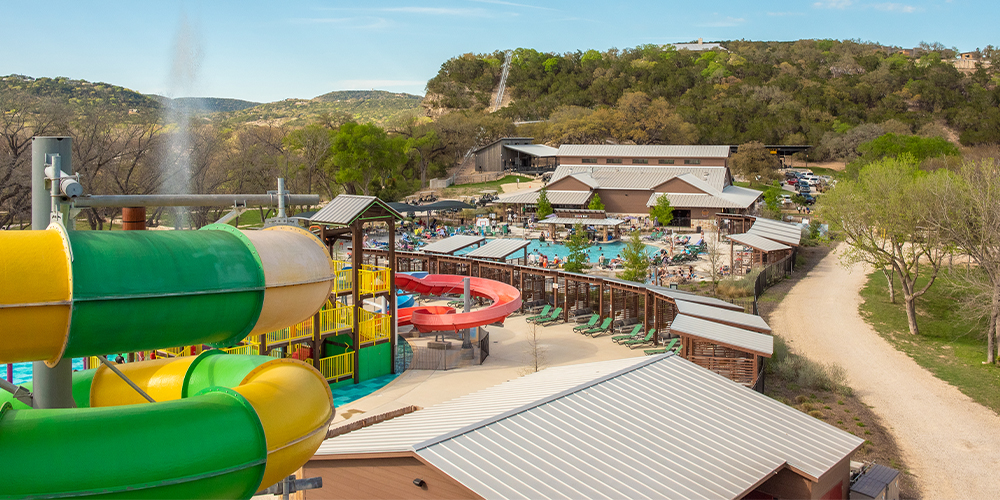
Amenities are now a central part of campground development strategy rather than an afterthought. Pools, splash areas, food and beverage options, event spaces, and recreational attractions play a major role in how guests choose where to stay and how long they remain on property. These investments help campgrounds stand out in competitive markets and reflect how best resort developers focus on long-term guest engagement and perceived value.

Financial and Operational Challenges in 2026
While demand remains strong, campground development in 2026 comes with financial and operational pressures. Elevated construction costs, variable permitting timelines, and labor shortages can impact both project schedules and ongoing operations. Developers who prioritize strong campground financial management are better equipped to phase projects thoughtfully, control costs, and manage risk without sacrificing guest experience.
Location Strategy and Market Research
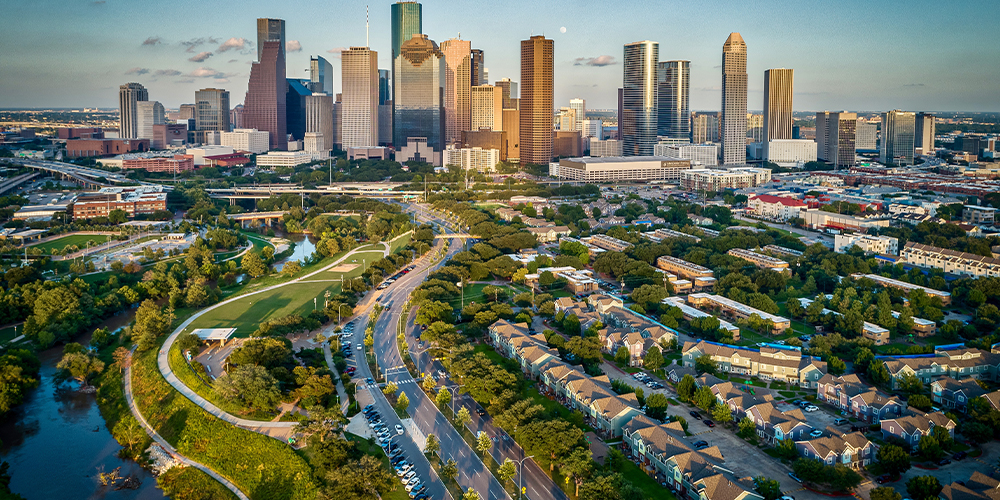
Choosing the right location continues to be one of the most important decisions in campground development. Successful projects balance natural appeal with access to population centers, attractions, and major travel routes. Careful analysis helps campground developers in the United States understand demand, evaluate competition, and set realistic pricing expectations before moving forward.
Branding and Guest Experience from the Start
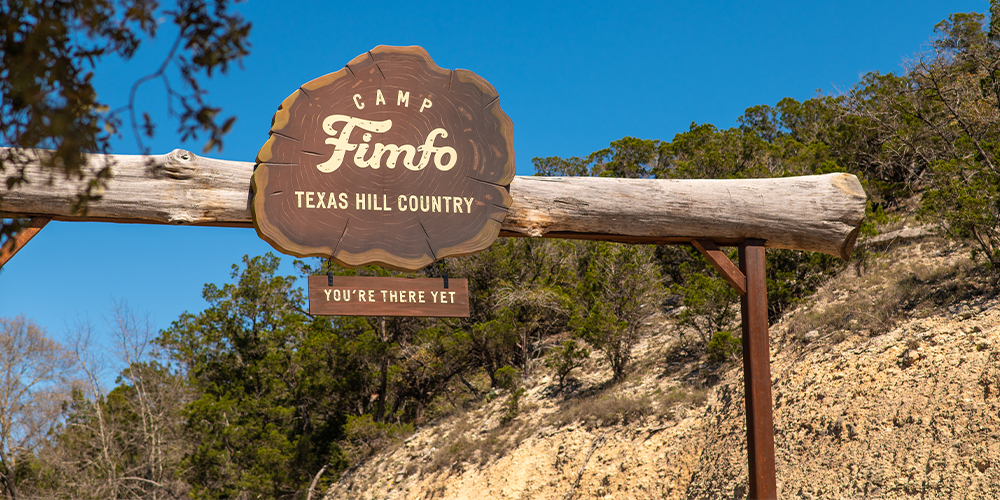
Branding plays a meaningful role in shaping how a campground is experienced from day one. Decisions around layout, signage, amenities, and communication all contribute to how guests perceive the property. Campgrounds that invest early in campground branding management tend to deliver more cohesive experiences and build stronger connections with their target audience.
Expansion and Redevelopment Opportunities
Not all growth in 2026 requires ground-up development. Many existing parks are unlocking value through infrastructure upgrades, layout improvements, and the addition of new accommodation types. These campground expansion opportunities often provide faster returns and lower risk when aligned with market demand and long-term planning.
The most successful campground developments in 2026 will be those that bring strategy, design, and operations together from the very beginning. Flexibility, guest experience, and operational efficiency are no longer separate goals, they are interconnected drivers of long-term performance. When Construction & Design, Marketing, and Property Management are aligned through smart outdoor hospitality management, campgrounds move beyond simply offering sites and amenities. They become well-run destinations built to adapt, perform, and keep guests coming back year after year. Partnering with experienced management teams like Northgate Resorts helps ensure every stage of development is supported by proven systems, industry expertise, and a guest-first approach that drives long-term success.