
Opening a new campground or RV resort is only the beginning. The real challenge, and the real opportunity, is building lasting relationships with the community around you. Whether you’re working with experienced resort developers in the United States or managing the project on your own, community engagement can be the difference between a property that thrives and one that struggles to fill sites.
At Northgate Resorts, we’ve seen firsthand how meaningful local connections drive long-term success. As one of the top campground operators and best hospitality groups in the United States, we’ve developed community engagement practices that support both our guests and the neighborhoods we call home. Here’s what we’ve learned.

Why Community Engagement Matters for Outdoor Hospitality
Campgrounds and RV resorts don’t exist in isolation. They depend on local infrastructure, local labor, and local goodwill. When surrounding communities feel invested in your success, everything gets easier: permitting, hiring, partnerships, and word-of-mouth referrals all flow more naturally.
For RV resort developers and campground developers in the United States, engaging the community early can also smooth the path through planning and zoning approvals. Neighbors who understand your vision are far less likely to oppose it.
Strong community ties also feed directly into campground marketing strategies. Guests notice when a resort is woven into the fabric of a place rather than dropped onto it, and that sense of belonging keeps them coming back.

Start Before You Break Ground
The most effective community engagement begins well before construction. If you’re exploring campground development opportunities or campground expansion opportunities, consider hosting public information sessions early in the process. Invite local residents, small business owners, and civic leaders to learn about the project and share their input.
This isn’t just good manners. It’s smart campground branding management. The narrative around your property starts forming the moment people hear about it, and you want that narrative to be one of collaboration rather than conflict.
Top resort developers in the United States often partner with local planning departments to align their projects with regional tourism goals. When your resort is positioned as an economic asset to the community, support tends to follow.

Build Relationships with Local Businesses
One of the simplest and most effective community engagement strategies is creating genuine partnerships with nearby businesses. Restaurants, outfitters, farms, breweries, and adventure companies all benefit from a steady flow of visitors, and your guests benefit from authentic local experiences.
These partnerships also open up creative campground advertising ideas. Co-branded promotions, local vendor markets on your property, and curated “best of the area” guides give you fresh content for RV park marketing while giving local businesses valuable exposure.
For those managing campground marketing or working with a campground marketing agency, local business partnerships provide a steady stream of collaborative content and cross-promotion opportunities that feel organic rather than forced.
Invest in the Local Workforce
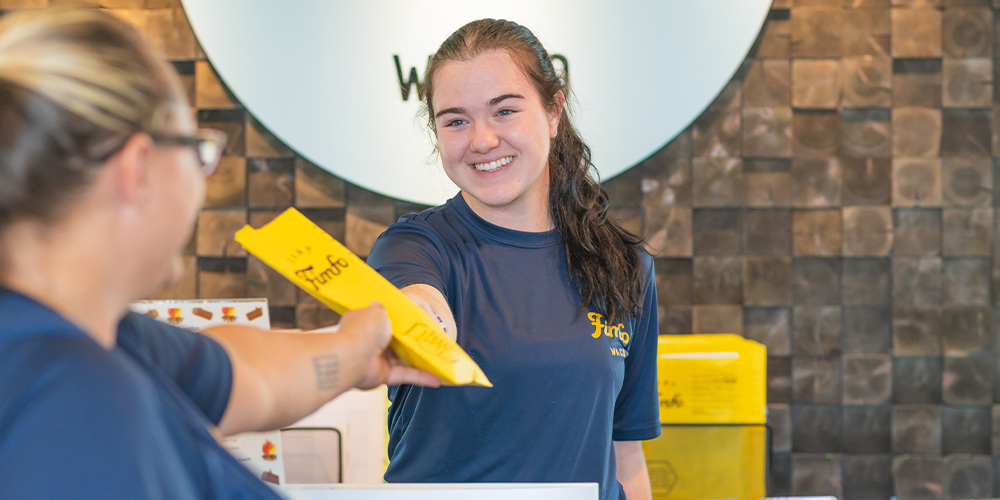
Staffing is one of the biggest challenges in outdoor hospitality management, and community engagement plays a direct role in solving it. Properties that are seen as good neighbors and good employers attract better candidates and retain them longer.
Think about looking locally first for new hires. People who already know the area bring built-in community knowledge that no training program can replicate. Hosting job fairs, partnering with local schools and workforce development programs, and offering competitive wages all signal that your resort is a community asset, not just a seasonal employer.
Engage Through Events and Strategic Partnerships
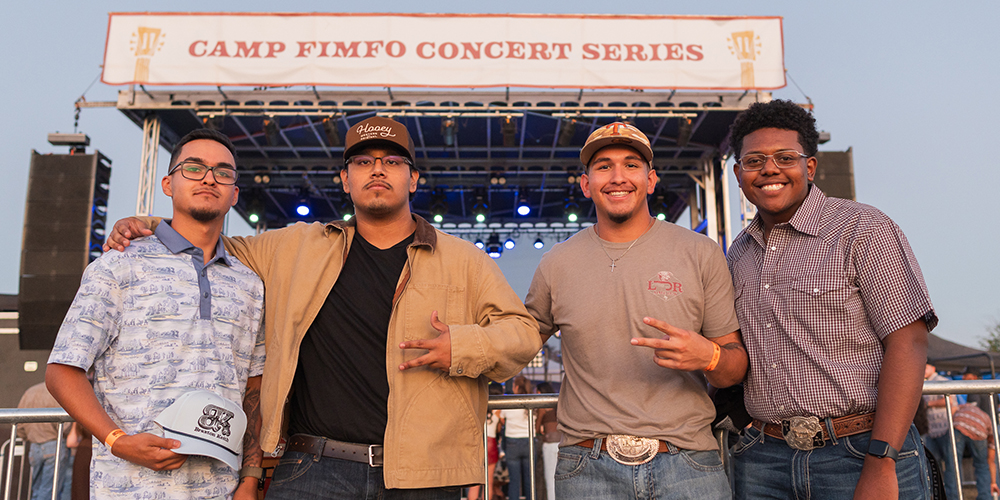
Events are where community engagement becomes tangible. Hosting festivals, holiday celebrations, farmers’ markets, charity runs, or outdoor movie nights creates reasons for locals to visit your property and see it as part of their community rather than something reserved for tourists.
The best campground owners in the United States understand that programming isn’t just a guest amenity. It’s a form of marketing for campgrounds that generates social media content, local press coverage, and genuine goodwill. A well-run Fourth of July celebration or harvest festival improves your campground branding in deeper ways than paid advertising.
Events also support campground booking and occupancy management by driving visits during shoulder seasons when occupancy might otherwise dip. Creative programming gives people a reason to book even when the weather isn’t perfect.
Build Partnerships That Work Both Ways
The strongest community partnerships are built on mutual benefit, not one-sided promotion. Before approaching a local business about working together, take time to understand what they actually need. A kayak outfitter might be looking for consistent weekday bookings during their slow season. A family-owned restaurant down the road might want exposure to out-of-town visitors who would never find them otherwise. A nearby zip line or water park might be trying to fill afternoon time slots. When you understand those pain points, you can structure partnerships that solve real problems for your neighbors while elevating the guest experience at your resort.
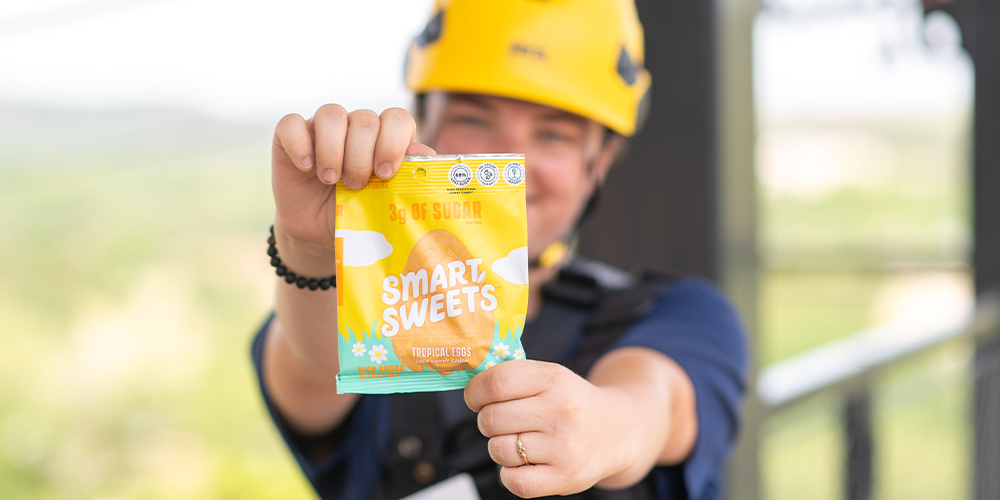
Think beyond a simple flyer at the front desk. Negotiate exclusive perks that only your guests can access: discounted admission to nearby attractions, early access to popular tours, complimentary upgrades at local outfitters, or priority reservations at restaurants that typically have long waits. These kinds of arrangements make your property feel like a gateway to the entire region, not just a place to park. For your partners, exclusive deals create a reliable, trackable channel of new customers they would not have reached on their own.
Seasonal collaboration can take this even further. Invite partners to host on-site activations: a local brewery pouring samples on a Friday evening, an adventure company running a demo day at the lake, or a farm setting up a produce stand on Saturday mornings. These events bring your partners’ brands directly in front of your guests in a relaxed, high-engagement setting. For smaller businesses that lack their own marketing budgets, this kind of exposure can be transformative.
The key is treating these relationships as ongoing partnerships rather than transactions. Check in regularly with your partners. Share guest feedback. Adjust the structure when something isn’t working. When local businesses see that you are genuinely invested in their success, they become advocates for your resort in ways that no campground advertising campaign can replicate.
Leverage Third-Party Expertise
Not every property owner has the bandwidth or experience to manage community engagement alongside the dozens of other responsibilities that come with running a resort. This is where third-party campground management services and third-party resort management services become valuable.
Working with an experienced partner for campground management services, hospitality management services, or RV resort management services in the United States gives you access to proven systems for community relations, campground facility management, and campground revenue management all at once.
Third-party hospitality management services can also bring expertise in campground financial management, hospitality financial management, and campground occupancy management services, freeing you to focus on the relationships and strategic decisions that matter most.
At Northgate Resorts, our outdoor hospitality management services and resort management solutions in the United States are designed to handle the operational complexity so property owners can focus on growth. Whether you need support with RV resort financial management, resort property management services, or campground branding management services, working with a seasoned team accelerates results.
Support Local Causes
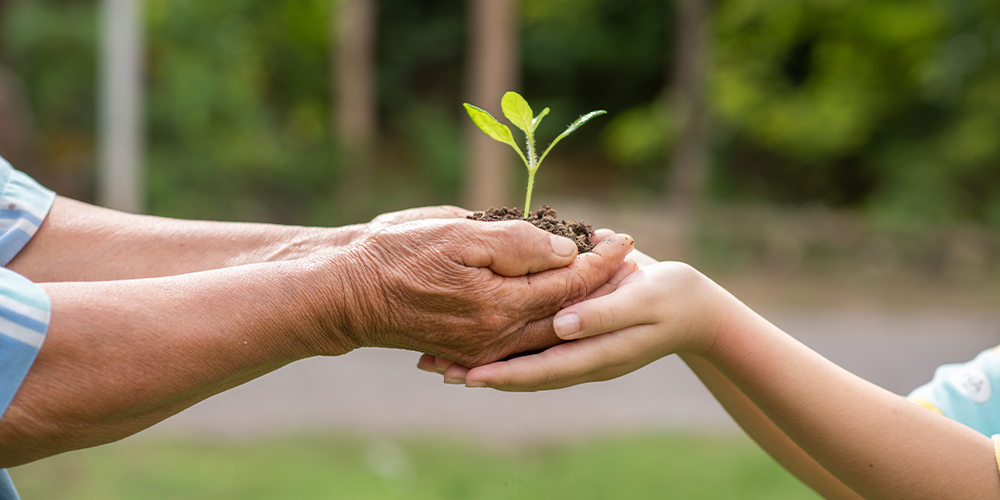
Contributing to local nonprofits, conservation efforts, youth sports leagues, and community improvement projects demonstrates that your resort is a long-term partner, not a short-term venture. Even modest contributions of time, space, or funding can build enormous goodwill.
The top campground owners in the United States treat charitable involvement as a core part of their business strategy, not an afterthought. When the community sees your team volunteering at a park cleanup or your property hosting a fundraiser for the local fire department, it changes the conversation about what your resort means to the area.
This kind of involvement also supports outdoor hospitality reporting by giving you positive stories and metrics to share with investors, partners, and franchise stakeholders evaluating campground franchise opportunities or campground expansion solutions.

Think Long-Term
Community engagement isn’t a launch strategy. It’s an ongoing commitment. The best hospitality groups maintain and deepen their local relationships year after year, adjusting their approach as both the resort and the community evolve.
For property owners considering how to sell a campground or evaluating campground franchise solutions, strong community relationships are also a tangible asset. A resort with deep local ties, a solid reputation, and established partnerships is worth more than one that operates in isolation.
Whether you’re a first-time developer exploring campground development solutions, an investor evaluating RV land developers in the United States, or an established operator looking for third-party RV resort developers in the United States to help with your next project, community engagement should be on your list of priorities.
Ultimately, successful campground and RV resort developers in the United States care more about great amenities or prime locations—it’s about becoming part of something bigger than your property lines. When you invest in authentic relationships, support local partners, and show up consistently for the communities around you, you build a foundation that drives both reputation and revenue over time.
Community engagement isn’t a one-time initiative or a marketing tactic—it’s a long-term strategy that shapes how your resort is perceived, experienced, and remembered. The operators who prioritize it early and nurture it continuously are the ones who see stronger occupancy, smoother operations, and more resilient growth.
For RV land developers, campground owners, and outdoor hospitality groups alike, the takeaway is clear: when your community thrives, your resort does too. Northgate Resorts can help you build and sustain these connections with proven strategies and hands-on support tailored to your property – contact us today for more information!