
Owning a campground and operating one successfully are two different responsibilities. For campground owners in the United States, choosing between independent operation and third party campground management can have a major impact on day-to-day performance, profitability, and long-term growth.
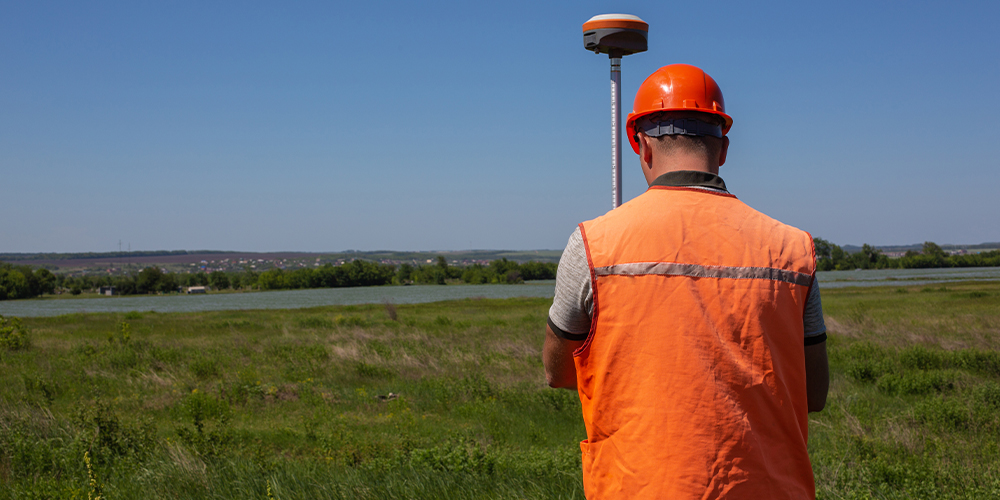
Independent Ownership vs. Third Party Management
Independent ownership gives campground owners direct control over staffing, rates, amenities, marketing, maintenance, and investments. For experienced, hands-on owners with strong teams, this approach can work well. However, complete control also means complete responsibility. Even the best campground owners can find themselves balancing staffing issues, guest experience, accounting, reservations, maintenance, and strategic planning at the same time. As a property grows, it becomes increasingly difficult for one owner or general manager to oversee every area effectively.
Third party campground management services offer another approach. Owners retain ownership of the property while an experienced operator manages some or all of its daily operations. This gives owners access to established systems and specialized professionals without having to build every department internally. The result can be a clearer separation between owning the investment and operating the business. Ownership can stay involved in major decisions and long-term strategy while an experienced team focuses on everyday performance.
Staffing, Revenue, and Financial Performance
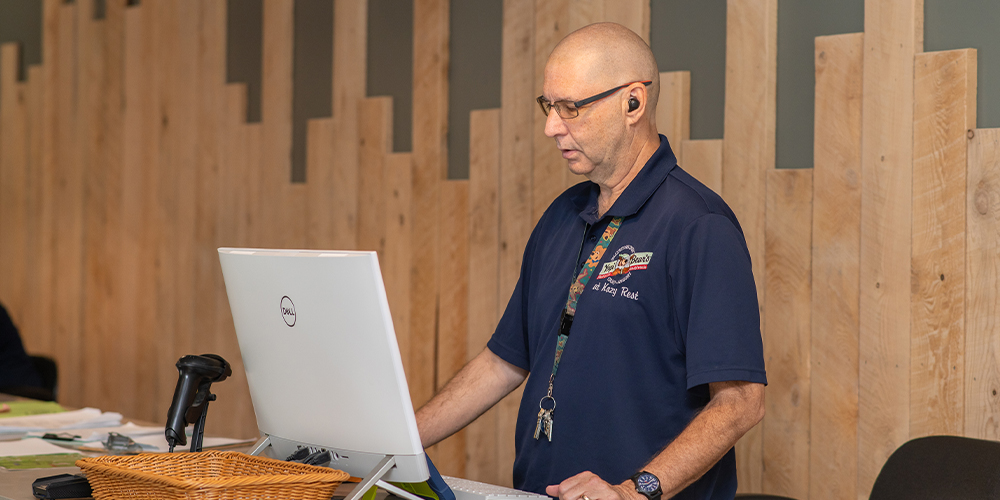
Staffing is one of the most demanding parts of campground operations. Owners need to know how to hire a general manager, recruit seasonal employees, establish training standards, and maintain consistent service throughout the season. Professional outdoor hospitality labor management can bring more structure to hiring, training, scheduling, and employee performance. This can be particularly valuable for seasonal resorts where labor needs change throughout the year.
Third party management can also provide more sophisticated campground revenue management. Instead of relying on the same rates throughout a season, operators can monitor demand, booking pace, occupancy, length of stay, and other trends to make more informed pricing decisions. Strong campground booking and occupancy management is about more than filling every site. The goal is to find the right balance between occupancy and rate to improve overall property performance. Owners also benefit from greater financial visibility. Professional campground financial management services can provide structured budgeting, forecasting, expense management, and reporting. Clear financial information allows ownership to better understand how the property is performing and where opportunities for improvement may exist.
Marketing, Branding, and Guest Experience
Running a great campground does not automatically mean travelers will find it. Effective campground marketing requires a consistent strategy across search engines, social media, email, paid advertising, reviews, and other channels. A professional management team can build campground marketing strategies around actual business needs. If certain dates are booking slowly, marketing efforts can focus on generating demand for those periods. If a property adds new accommodations or amenities, campaigns can introduce them to the right audiences.
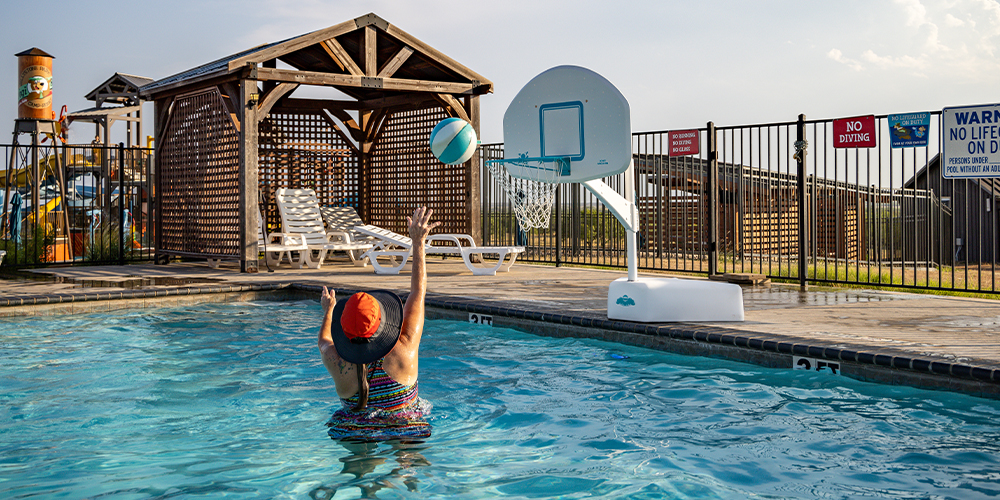
Branding matters just as much. Professional campground branding management helps create a consistent experience across the website, reservation process, signage, communications, amenities, and guest service. The physical property must support that experience too. Campground facility management services can establish processes for preventive maintenance, inspections, repairs, and capital planning. Keeping facilities in strong condition helps improve guest satisfaction while protecting the owner’s investment. Together, marketing, branding, and facility management help create a property that is easier to discover, more memorable to guests, and better positioned for repeat business.
Development and Expansion
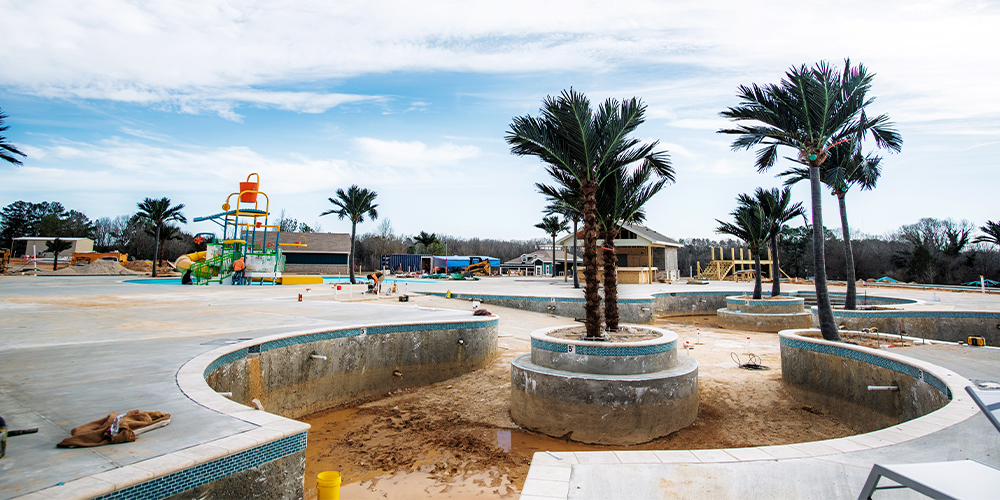
Third party management can become especially valuable when owners begin thinking beyond current operations. Campground expansion opportunities might include additional RV sites, cabins, glamping accommodations, pools, event spaces, or other revenue-generating amenities. Experienced campground developers in the United States can help evaluate these opportunities from both a development and operational perspective. Decisions about site layouts, infrastructure, amenities, and guest flow can have lasting effects on staffing, maintenance, revenue, and the guest experience.
The same principle applies to RV resort developers working on new or expanding properties. A development plan should consider not only what can be built, but how the finished property will operate successfully once it opens. Professional campground development solutions can help owners make more informed decisions about where to invest capital and how an expansion fits into the property’s larger strategy. Working with professionals who understand both development and operations can help create a smoother path from planning to opening and long-term management.
For owners with ambitions beyond a single campground, third party management can also make it easier to scale a growing portfolio. An experienced multi property operator can manage the day-to-day performance of an existing property while ownership focuses on identifying and acquiring the next opportunity. This can be especially valuable for owners who want to expand without having to build a new operating structure for every acquisition. A management partner with experience working alongside multi-property owners can bring consistent systems, reporting, staffing strategies, marketing, and operational standards across a portfolio while still accounting for the individual needs of each property.
Choosing the Right Management Partner
The right management structure depends on an owner’s experience, resources, goals, and desired level of involvement. Independent ownership may make sense for operators who already have the people, expertise, and systems needed to oversee every area of the property. For other owners, professional outdoor hospitality management services can provide access to resources that would be difficult or expensive to build internally. This can include operations, revenue management, marketing, finance, staffing, facilities, and development expertise.
Owners researching campground management services in the United States should look beyond the size of a company or the number of properties it operates. Experience, communication, reporting, technology, marketing capabilities, and alignment with ownership goals are equally important. The best hospitality groups operate as partners to ownership. A strong third party management company should help protect the asset, improve operations, enhance the guest experience, and identify opportunities for sustainable growth.
Third party management is not about giving up ownership or losing sight of the property. It is about gaining the people, systems, and expertise needed to operate the investment more strategically. For owners who want to improve an existing campground, pursue growth, or spend less time managing daily challenges, the right management partner can provide a stronger foundation for long-term success. If you’re ready to take the next step, contact Northgate Resorts to learn how our campground management expertise can help strengthen your property and support your long-term goals.