
Isadore Sharp, the legendary founder of Four Seasons Hotels and Resorts, once said, “Treat employees like partners, and they act like partners.” While the worlds of luxury hotels and campgrounds may seem to be quite different, they are similar in this sense: fostering a culture of ownership and accountability at all levels of the organization is crucial, a mindset often shared by the best hospitality groups.
This theme is perhaps most evident in how campgrounds manage labor. Payroll is typically the largest controllable cost that a campground operation faces (and usually by a long shot). Effective labor management is pivotal in outdoor hospitality, not only for controlling costs but also for ensuring organizational alignment. In this article, we dive into several focal points to help you unlock significant value through effective labor management in your outdoor hospitality operation and stronger outdoor hospitality labor management systems.

1. Be Strategic About How You Schedule
Aligning staff schedules with the ebb and flow of campground occupancy is essential. Optimal scheduling ensures operational efficiency without incurring unnecessary labor costs. Nailing this aspect of the labor picture can save your operation precious profit margin, and helps properly set expectations for your staff at all levels of the park through smarter campground booking and occupancy management.
A key step is to utilize a dynamic scheduling system that reflects the seasonal and weekly fluctuations in guest numbers. Increase staffing during peak periods and scale back during quieter times, thus aligning labor expenditure with revenue. Establish clear ownership of the scheduling process for each department in the park so that there is a single point of accountability for managing this process, which strengthens campground occupancy management.
This can also have significant implications on the annual budgeting process. At Northgate Resorts, we budget our labor spend on a per-shift basis, allowing us to have an extremely granular view of our payroll structure. This empowers both our home office and park-level teams to understand how even the smallest changes in scheduling can impact how we’re pacing toward our broader financial goals through better campground financial management.
2. Prioritize Training (and Cross-Training)
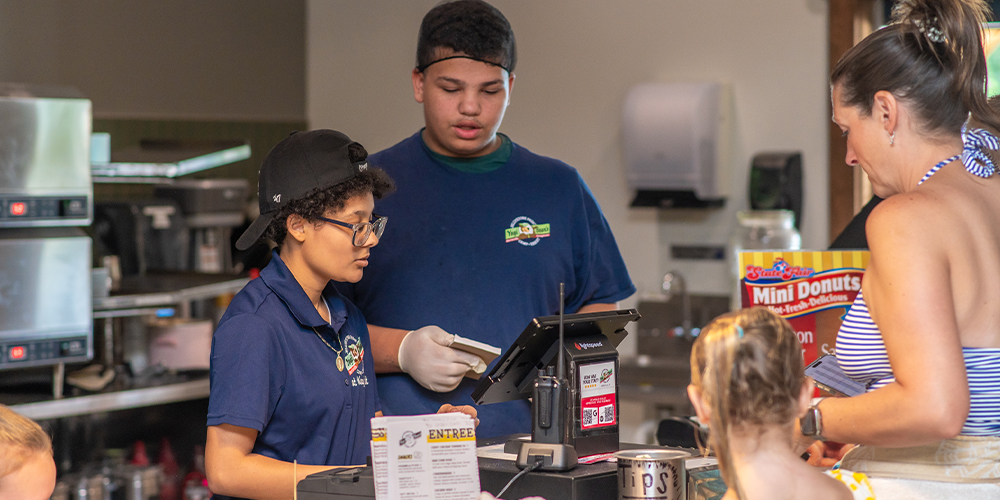
A well-trained team is the backbone of exceptional guest service. Continuous training equips staff with the necessary skills to enhance guest satisfaction and handle whatever situations may arise. Cross-training staff members (for example, training those at the front desk to be able to operate the camp retail store) can provide a substantial level of flexibility when navigating staffing challenges, which supports stronger campground management services.
A key piece of this is to implement a structured training program encompassing customer service excellence, safety protocols, and specific campground operations. Interactive training methods, such as scenario-based learning, can boost engagement and retention of knowledge. Encourage your managers to identify top-performers and utilize cross-training as much as possible with those individuals, especially when evaluating how to hire good managers.

3. Leverage Technology, but Do Your Homework
The right technological tools can streamline operations, from reservations to resource management, enhancing efficiency and improving the guest experience. However, with the rapid influx of technology tools entering the campground space, it’s important to be strategic about the solutions you choose to roll-out to your teams as part of modern outdoor hospitality management.
Invest in integrated campground management software (such as Campspot) that offers functionalities like online reservations, staff scheduling, and inventory management. This not only saves time but also provides valuable insights for decision-making. For more specialized solutions (such as dedicated software specifically meant to help with the scheduling process), make sure the time and money investment required truly helps your operation solve a core problem. Also keep in mind that sometimes the best solutions are ones that you can build and maintain in-house, assuming you have the right level of internal expertise, all of which can improve campground revenue management.
4. Establish KPIs for Labor management and Align Team Incentives
Two critical aspects of hospitality labor management in campgrounds are: 1) having clarity of what metrics matter the most, and 2) aligning employee incentives with those metrics. Everyone from the home office down to line-level park employees are set up for greater success when this combination is in place, especially within leading hospitality management services in the United States.
As a company, align on what combination of KPIs matter most for you (labor % of revenue, actual labor spend versus budget, labor spend per hour, etc) and develop a rewards system for exceptional performance based on the teams that are best at achieving those KPIs. Incentives could include monetary bonuses, additional time off, or public recognition. Tailor these incentives to meet the motivations and aspirations of your staff – there should always be a system for recognizing and rewarding great performance in labor management while supporting hospitality financial management.

5. Maintain Effective Communication Channels
Clear and consistent communication is vital for operational alignment and team morale. It ensures everyone is aligned with the objectives and procedures of the property and the broader organization, which is essential in third party hospitality management services.
Regular team meetings and open forums for feedback on scheduling and labor management should be in place. Teams can also utilize digital communication tools for ongoing updates and ensure that every team member has access to necessary information. Larger operations (such as Northgate Resorts) even use project management software to automate and communicate out reports and updates on how each property is managing their hospitality labor management process through stronger outdoor hospitality reporting management.
6. Always Keep a Close Eye on Guest Feedback
Guest feedback is a valuable tool for continuous improvement. It provides insights into both staff performance and how your park and your labor management process is delivering on guest expectations, while also helping inform campground marketing strategies.
It’s important to encourage and facilitate guest reviews and surveys. Share this feedback with the team and use it constructively to refine operations and service delivery. Be prepared to have frank conversations if there appears to be a misalignment between staffing levels and service delivery. It helps to be as data-driven as possible in these conversations – focus more on what you can measure than anecdotal examples that may not be reflective of the larger picture, while also improving campground branding.
At Northgate Resorts, our operations and marketing teams partner to maintain a high-level of visibility on review feedback across all sources. This reputation management process allows us to learn from, respond to, and spot trends from customer feedback that makes our labor management process even more efficient and supports better campground advertising.
7. Focus on Growth and the “Why”
Effective labor management processes are one of the most important ways that campground owners and operators can ensure their businesses grow and thrive in the long run. Being disciplined about managing payroll helps ensure that parks can continue to invest in their amenities, facilities and attractions, which unlocks additional growth opportunities for everyone involved with the business, including and especially park-level staff through new campground expansion opportunities.
A best practice for campgrounds that effectively manage labor in their businesses is consistently communicating the “why” behind the process to all levels of the organization. Managing the business prudently and encouraging growth is one of the most crucial responsibilities of any operator, and anyone involved in labor management should be aware of the power behind that “why”. Senior park leaders such as General Managers should be a constant and key part of that communication, but it also helps to have regional and home office support (when applicable) that emphasize how this critical part of the business translates into substantial opportunities for everyone involved, especially when considering how to hire a general manager.
Effective labor management in the outdoor hospitality sector requires a balanced approach that encompasses strategic planning, staff development, technological integration, and guest feedback. By focusing on these key areas, campground operators can help ensure their operation delivers superior guest experiences and sustainable business growth.
If you’re a campground owner or operator interested in improving your labor management practices, learn more about Northgate Resorts management services. If you’re interested in partnering with us, contact us to start the conversation.